Read the Weeds Before You Dig: A November Soil Walk for Shared Plots
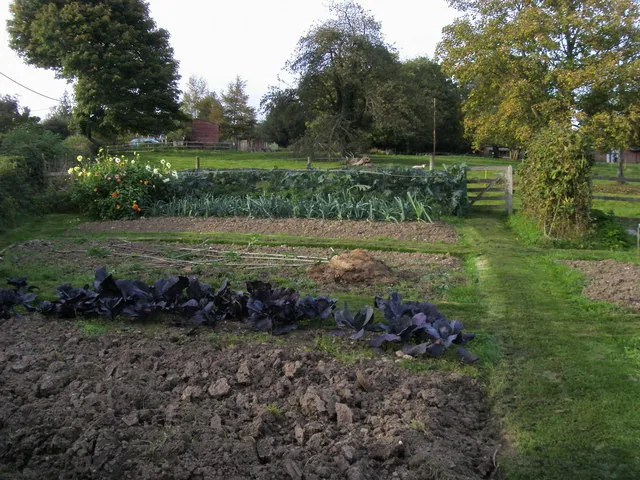
Photo: Shaun Ferguson, CC BY-SA 2.0, via Wikimedia Commons
By November, most of us have mentally closed the plot for winter. The seed packets are sorted, the last beans are in, and the light is doing that low, silvery thing. But look down. The weeds are still on duty. Nettles are hanging on in the shady corner, docks are holding their ground by the gate, moss has quietly claimed the path, and sheep’s sorrel is making itself at home in the thin patch where nothing much else thrives.
It is tempting to see these plants as failures of discipline. In permaculture terms, they are closer to witnesses. They are telling you something about the soil, the water, the light and the way people move across the site. The trick is to read the signs before you start digging.
Why November suits a weed walk
Late autumn is a good time for this kind of survey because the plot is stripped back. Perennial weeds are still visible, paths are showing their wet spots, and moss has had enough damp weather to reveal where drainage is poor. You can see the bones of the place.
This is not a laboratory test. Weed indicators are clues, not court verdicts. A patch of nettles does not prove that your soil is rich in exactly the right ratio of everything; it suggests that fertility, moisture and disturbance are lining up in a particular way. Treat the plants as a starting point for observation, then confirm with your hands, your eyes and — if you want to spend a little money — a proper soil test.
What the usual suspects are roughly saying
Start with the plants you already recognise. You do not need a botany degree to notice patterns.
Nettles often turn up where soil is fertile and fairly damp, and they can suggest high nitrogen or phosphorus. That is not automatically bad news. Nettles are a useful chop-and-drop crop, a wildlife plant and a soup ingredient. But if they are dominating a bed you meant to sow, it may be a sign that you have been piling on the compost and manure without giving crops a chance to use it.
Broad-leaved docks are classic companions of compaction, poaching and wet ground. Their taproots are doing the soil a favour by opening it up, even if they are doing it in the middle of your carrot bed. Docks along a path edge or gateway are often telling you where feet and wheelbarrows have pressed the life out of the soil.
Sheep’s sorrel tends to appear on acidic, leached or low-fertility ground. It is a good prompt to check pH before you start adding lime. Lime is not a universal cure, and applying it blindly can make other nutrient problems worse.
Moss is less a plant indicator and more a drainage, shade and compaction alarm. It loves a damp, low corner, a shaded path or a spot where water sits. Killing the moss without changing the conditions is a bit like mopping up with the tap still running.
Dandelions and plantains often show up in compacted ground, especially paths and gateways. Creeping buttercup likes wet, heavy soil. Chickweed generally enjoys fertile, disturbed ground — which may simply mean you have been gardening there.
Use these as prompts, not rules. A weed in one place may mean something slightly different in another. The pattern across the whole plot matters more than any single plant.
How to run the walk without turning it into a committee meeting
Pick a dry-ish day, put on boots, and take a simple map of the plot. A printed allotment plan is ideal, but a sheet of A4 with the beds sketched on it works fine. Bring a pencil, a phone for photos, a trowel and a jam jar if you want to feel official.
Divide the site into rough zones: beds, paths, edges, the shed drip-line, the gate, the shady strip behind the hedge. Walk slowly through each one. Spend twenty minutes rather than two hours. For each zone, note the three most obvious weeds or volunteer plants, then add what you can see and feel: Is the soil squidgy? Does it smell sour? Is it shaded? Does water sit here after rain? Is the ground hard underfoot?
The goal is not to identify every plant. It is to build a picture. Mark symbols on the map — N for nettle, D for dock, M for moss, S for sorrel, P for plantain — and add a quick note like ‘wet path by tap’ or ‘hard pan at gate’. Take a photo of each zone so you can compare it in spring.
If you share the plot with others, make the map a conversation piece rather than a secret document. Leave it in the shed with a pencil and a few spare sticky dots. Invite people to add what they have noticed. Someone will know that the bottom corner floods every January; someone else will remember that the previous tenant dumped ash there. That kind of local knowledge is soil survey too.
From clue to low-cost intervention
Once you have a rough map, choose the cheapest, least disruptive response. Permaculture is not about doing nothing; it is about putting the effort in the right place.
Where nettles dominate a fertile bed, harvest them before they die back, chop and drop the tops, and use them as a mulch around hungry crops. Hold off the manure for a season and let the fertility balance out. Where docks and plantains mark compacted paths, mulch the paths with woodchip and keep heavy feet off wet beds. Where moss and buttercup reveal a wet corner, spike the ground with a fork when conditions allow, add organic matter, and consider a shallow swale or a raised bed rather than fighting the water.
Where sorrel suggests acidity, buy a simple pH test before adding anything. If the soil is also low in organic matter, compost is usually a better first move than lime. Where the same weed keeps returning, ask what job it is doing: opening the soil, covering bare ground, holding moisture or trapping nutrients. Then see whether a wanted plant or a mulch could do that job instead.
The map is the real harvest
A weed walk is a quiet bit of community growing. It gives new plot holders a way in that does not require confidence or expensive tools. It turns ‘what is this mess?’ into ‘what is this patch telling us?’ And it leaves you with a record you can actually use.
So before you dig, take a turn around the plot with a pencil. Let the docks, nettles, sorrel and moss have their say. They are not the enemy. They are a compass — and in November, a compass is exactly what you need.