The Quiet Radicalism of Plot Politics: Why Community Growing Beats Another Strategy Document
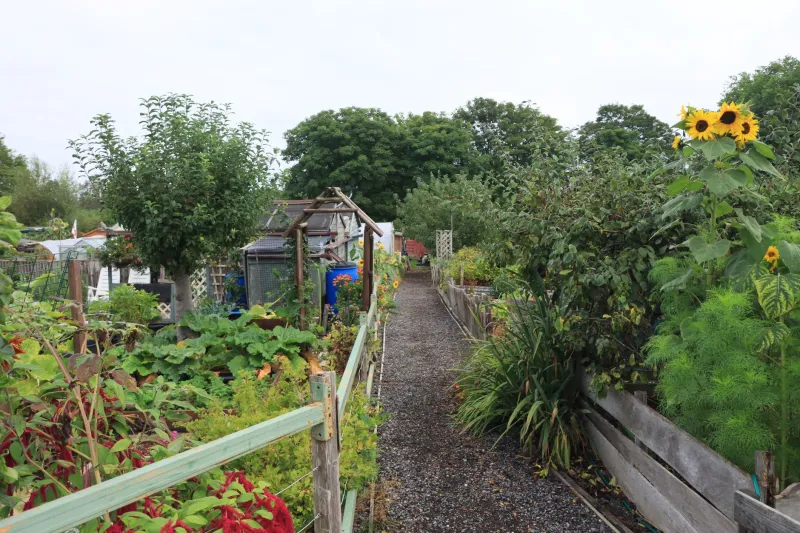
The most radical meeting in my town this year was not held in a council chamber. It was held in a damp allotment hut with a kettle that had seen better days, a biscuit tin containing mostly crumbs, and a treasurer who insisted on reading out the entire balance sheet twice. It was not slick. It was not strategic. But it was doing something that most sustainability plans only talk about: it was keeping a shared resource alive.
I have come to believe that allotment societies, shared orchards, food-growing cooperatives and seed libraries are quietly doing more for local resilience than a great many top-down schemes. Not because they are perfect — they are not — but because they are real. They are made of neighbours, mud, disagreements and courgettes. That is a far better foundation for change than a glossy document with a nice font.
The radical act is a shared key
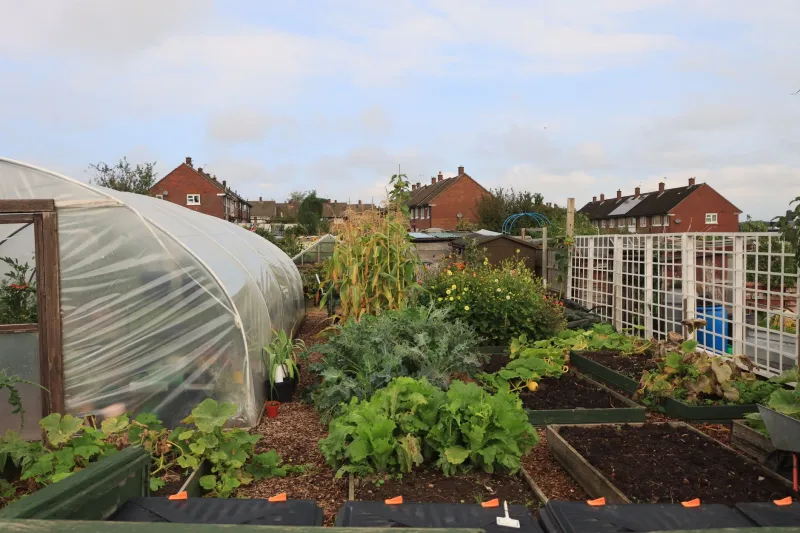
A seed library in a public library is a radical thing. It says that knowledge and variety should not be locked away. A community orchard is a radical thing. It says that fruit belongs to a place, not just to whoever owns the land. An allotment committee is a radical thing, even when it is arguing about the height of someone's shed. It is a small piece of commons, governed by the people who use it.
This is where the permaculture principle of fair shares becomes practical rather than poetic. Fair shares is not just about splitting the harvest. It is about sharing access, time, skills and risk. It means asking who can actually get a plot, who has the spare hours to volunteer, and who is quietly being excluded because the membership fee has crept up or the work days clash with caring responsibilities. A community growing group that only works for retired people with cars is not fair. It is just lucky.
The friction is real, and we should stop pretending otherwise
I am not going to romanticise the allotment movement. Waiting lists are long, sometimes years long, and they are a sign of both demand and failure. Demand is good. Failure is the bit where a precious piece of land sits underused because the process is opaque or the turnover is slow. Plot politics are real, too. There are disputes about hedges, water butts, bonfires, paths and whether a shed is a shed or a small building with aspirations. Some of it is petty. Some of it is about scarce resources, which makes it less petty than it looks.
Then there is volunteer burnout. Every committee has a small number of people doing a large number of jobs. The same names appear on the rota. The same person unlocks the gate, chases the rent, fixes the tap and remembers the insurance. That is not sustainable, and it is not fair. A group that depends on one hero is a group that is one illness away from collapse.
Fair shares means more than splitting the courgettes
If we want community growing to last, we have to design for real people. That means a sliding scale for fees. It means jobs for people who cannot dig, such as running the seed library, making tea, repairing tools, keeping the books or looking after children during work days. It means accessible paths and a toilet, because these are not luxuries. It means clear rules, written down, so that conflict is handled by a process rather than by whoever is loudest at the AGM.
It also means thinking beyond the plot. A shared orchard or a seed library can start with less land and less money than a full allotment site. A food-growing cooperative can link growers to local buyers. A community fridge or a harvest swap can make sure gluts do not rot in a corner while people nearby are using food banks. These are not separate projects. They are the same project wearing different coats.
How to start or revive a group in a UK town
Start small and start nosily. Talk to your council's allotment officer, your parish council, local churches, schools and landowners. Ask what land is unused. Ask what groups already exist and whether they need help rather than competition. If land is impossible right now, start a seed library in the local library or a harvest swap in a community hall. Low land, low risk, real momentum.
Then get boringly organised. Write a simple constitution. Open a bank account. Sort insurance. Set clear plot rules and a conflict process before you need one. Share tools rather than expecting everyone to buy their own. Plan for succession so the treasurer is not the same person for fifteen years. Find a coordinator if you can, and pay them if the budget allows. Do not be afraid of structure. Structure is what lets generosity scale.
What actually lasts
In my experience, the projects that last are not the most exciting ones. They are the ones with clear agreements, diverse leadership and a realistic sense of what people can give. They celebrate small wins. They do not guilt-trip members for missing a work day. They make it easy to join and easy to step back. They measure success in neighbours as well as kilograms.
So join the committee. Bring biscuits. Volunteer for the boring job. Argue about the shed, but argue kindly. The most radical thing you can do this year might not be a march or a petition. It might be turning up to a damp hut on a Tuesday night and helping to keep a shared piece of ground alive.