Leave the Stems Standing: In Defence of a Deliberately Untidy November
Every November, someone on our site gets a letter. Or a friendly word over the fence. Or a note pinned to the gate in the passive-aggressive dialect that only allotments can produce: 'Could plot holders please ensure plots are tidied before the winter.'
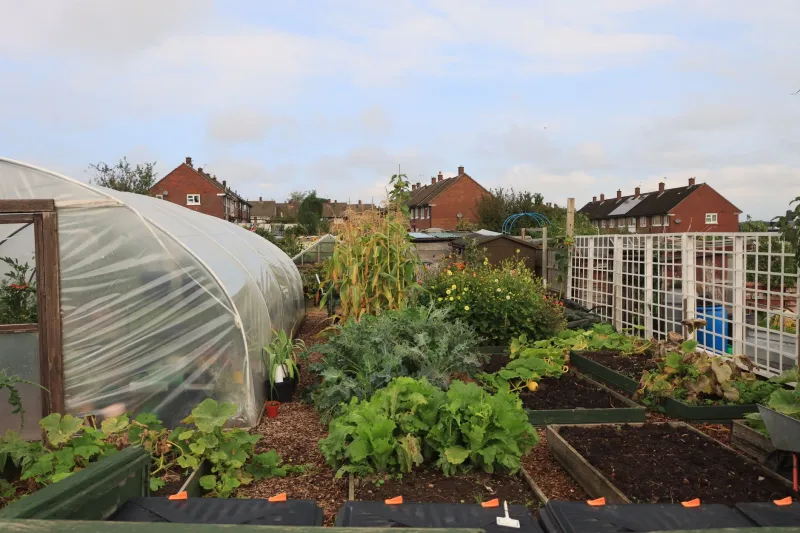
And so the blitz begins. Strimmers out. Everything cut to the ground. Leaves bagged and driven to the tip. Beds dug over and left staring at the sky, clean as a school exercise book. Then a bonfire, because what else are you going to do with a pile of stems.
I'd like to make the opposing case, and I'd like to make it without being accused of laziness, because the mess I'm arguing for is not the same as neglect. It has rules. It just has different ones from the 1970s rulebook the noticeboard is still working from.
Where the tidiness rule came from
The weed-free plot is a hangover from a productivity culture that treated a garden as a factory floor. Bare soil meant control. Cut stems meant order. Anything left standing was harbouring something, and the something was probably slugs. Fair enough in its time – but we now know a great deal more about what actually lives in a plot over winter, and most of it is on our side.
What a bare bed actually costs you
Start with the soil, because that's the part nobody photographs. Winter rain landing on bare earth does three unhelpful things at once. It caps the surface into a crust that sheds water instead of absorbing it. It washes nitrate and other soluble nutrients straight down and out of reach. And it exposes the whole soil food web – fungal hyphae, mites, springtails, worms near the surface – to frost heave and drying wind. A layer of leaves, straw or compost, or simply a bit of standing debris, does the job a woodland floor has been doing for a few hundred million years: it keeps the roof on.
Digging over in autumn compounds it, breaking structure and burying the biology that was busy repairing the soil after harvest. If your beds are no-dig, leaving them alone is already the plan – the same logic applies to the untidiness argument, only more so.
Standing stems are housing
This is the bit that ought to be on the noticeboard instead. Hollow plant stems are exactly what many solitary bees and other overwintering insects need: a dry tube, sealed at one end. Cut everything to ground level in October and you have, quite literally, demolished the accommodation.
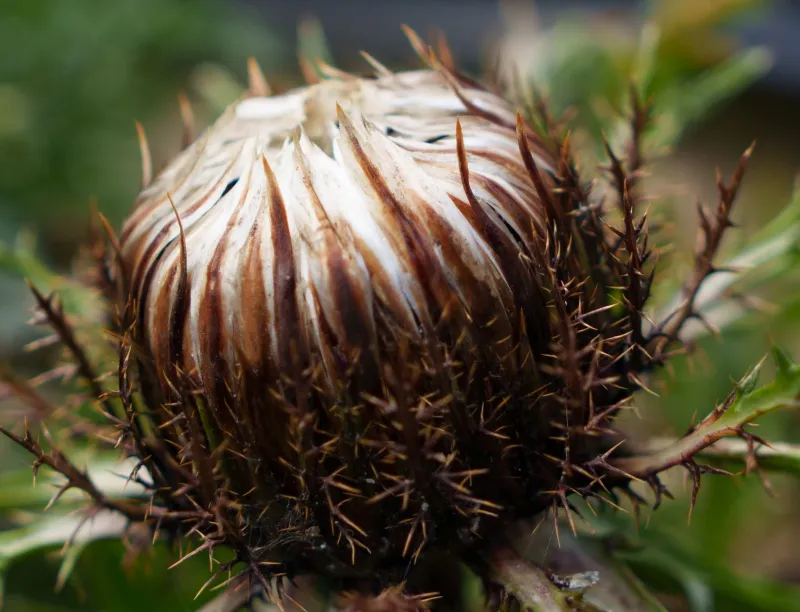
Then there are the seedheads. Teasel, sunflower, verbena, fennel, echinacea, the last of the annual grasses – leave them and you get goldfinches, bullfinches and sparrows working through the plot in the lean months, which is both a genuine ecological service and the best free entertainment on site. Ladybirds and lacewings shelter in dry stems. Moth pupae sit in the leaf litter. A brash pile in a quiet corner will take in hedgehogs, frogs, newts and slow-worms, all of which will spend the summer eating your slugs. You are, in effect, building pest control out of rubbish.
The Wildlife Trusts, the RHS and a long line of garden ecologists have been saying versions of this for years. The allotment rulebook simply hasn't caught up.
The bonfire problem
If there's one autumn habit worth actively retiring, it's the November bonfire. A heap of dry stems left sitting for a fortnight is a five-star hedgehog hotel, and hedgehogs do not move fast enough when someone lights a match. Amphibians and slow-worms curl up in the same piles. Beyond wildlife, there's the smoke: particulate pollution drifting across neighbouring gardens, into the lungs of anyone on the site with asthma or a chest condition.
Compost it, chip it, or leave it as habitat. If you genuinely must burn, build the pile on the day you light it and check it thoroughly first.
Messy, but deliberate: a checklist
This is the compromise I'd put to any site officer: not an argument for doing nothing, but for doing different things on purpose.
- Leave hollow perennial stems standing at 20–30cm, and don't cut them back until late March or April, when the season has properly turned.
- Keep seedheads on anything the birds use, right through to February.
- Rake leaves onto beds as free mulch, or into a leafmould bin if you're overwhelmed. Bagging them for the tip is throwing away soil.
- Build one brash pile or log stack in a corner that's out of the prevailing wind but catches some sun. One is enough.
- Don't dig. Mulch over the top and let the worms do the incorporation.
- Leave a rough grass edge or an unmown corner – long grass is overwintering cover for everything from caterpillars to field mice.
- Compost what you can, burn nothing.
- Turn the compost heap before you dig into it, not after, and check for hedgehogs.
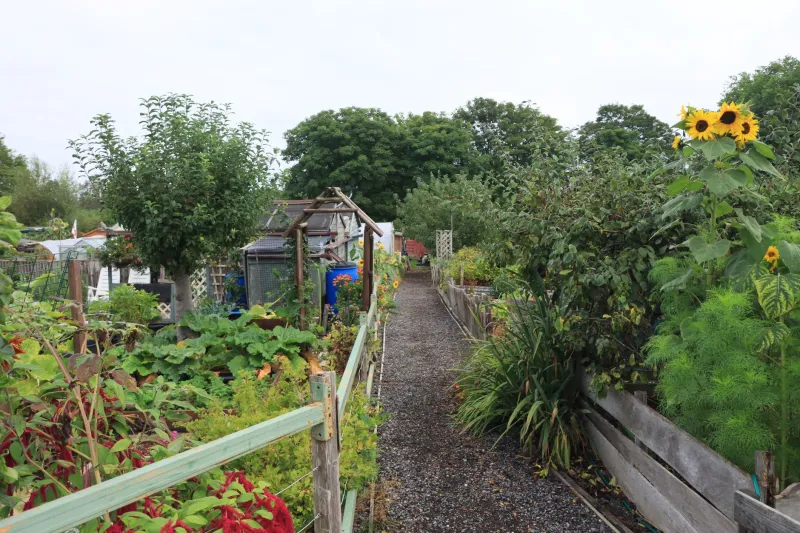
- Keep paths and boundaries legible. This is the crucial one. A plot reads as 'cared for' through its edges; the beds can be as scruffy as you like provided the paths are clear and the gate opens.
Do those things and you have structure without sterilisation. You're not abandoning the plot. You're running it on ecological lines.
The politics of it
Allotment tenancy agreements usually contain a cultivation clause, and some councils use it enthusiastically, with inspection letters and the threat of a notice to quit for plots deemed unkempt. It's worth pushing back collectively. Ask your site association to adopt a wildlife-friendly clause into the site rules. Talk to the allotment officer rather than waiting for the letter. Point out that the council has probably declared a nature emergency and has a biodiversity duty it might like to honour on its own land.
There's a human argument too. November to February is the only real rest a grower gets, and treating that rest as a period of compulsory labour is a strange sort of hobby. A plot that looks finished in November is often the plot that's least alive. Aim for unfinished, alive, and legible – and keep a few photos through the winter, just in case somebody asks whether you've been cultivating.
We have. Just not in the way the note on the gate meant.