Borrow a Bean, Build a Movement: Inside the UK's Quiet Seed-Swap Boom
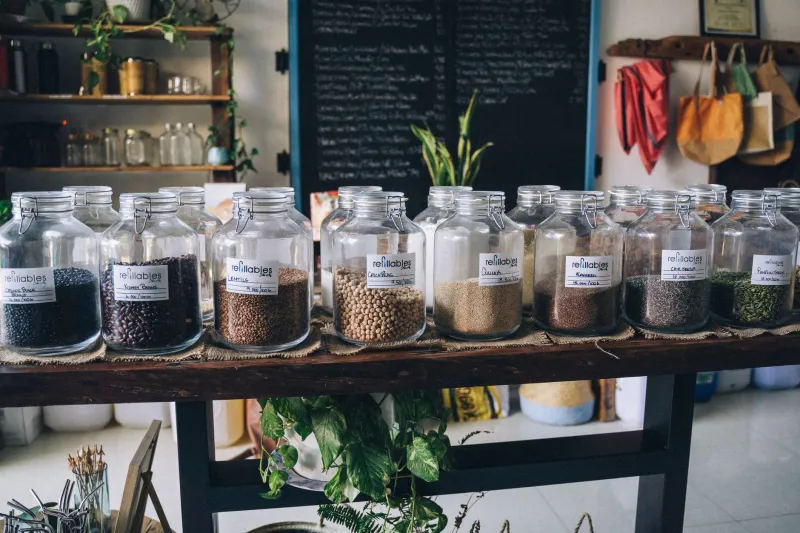
On a wet Saturday in November, the village hall smells of tea, damp coats and the faint pepperiness of saved bean seed. Someone has laid out jam jars of borlotti, envelopes of kale and a shoebox of labelled tomatoes. Nobody is selling anything. People are swapping stories, seed and the odd slice of cake. This is the seed swap in its natural habitat, and it is one of the most quietly radical things happening in UK food culture.
A library that lends life, not books
A seed library is a simple idea with a long tail. You borrow seed, grow it, save some and return it. The best ones also lend confidence. They put a handwritten label next to a variety that has done well on heavy clay, or in a windy coastal plot, or through a soggy summer. That local knowledge is worth as much as the seed itself.
Unlike a packet from a catalogue, a community swap connects a variety to a place. It says: this bean has been grown three streets away, by someone who will answer your question at the bus stop. That sounds sentimental until you realise how practical it is. Locally saved seed is already partway through the process of adapting to local soil, local weather and local pests.
The science bit, without the lab coat
Plant diversity is a bit like a toolbox. If every grower plants the same handful of commercial varieties, the toolbox gets thin. If lots of people keep lots of different open-pollinated varieties going, there are more options when disease, drought or a weirdly warm February turns up.
Open-pollinated varieties are the ones that generally breed true-ish from saved seed. You can keep selecting the plants that do best for you and, over time, nudge the population towards your conditions. F1 hybrids are different: they are uniform and often productive, but saved seed from them will not come back true. They are not villains, but they are not the whole story either.
Saving seed is not just a matter of letting a plant go to seed. Some crops are easy. Beans, peas and tomatoes mostly pollinate themselves, so you can save seed with relatively little fuss. Others are more promiscuous. Carrots, brassicas and beetroot can cross with nearby relatives, so you need isolation distances or careful timing. That is where the community bit helps: swap knowledge, not just envelopes.
Where it is already happening
The UK already has a lively seed-saving underground. Garden Organic's Heritage Seed Library, based in Coventry, has been keeping rare vegetable varieties in circulation since the 1970s. The London Freedom Seed Bank supports community growers to save and share seed in the capital. Brighton's Seedy Sunday has been running for more than two decades and has become a fixture for growers across the south-east. The Seed Co-operative in Lincolnshire is a community-owned seed business growing open-pollinated varieties for UK conditions.
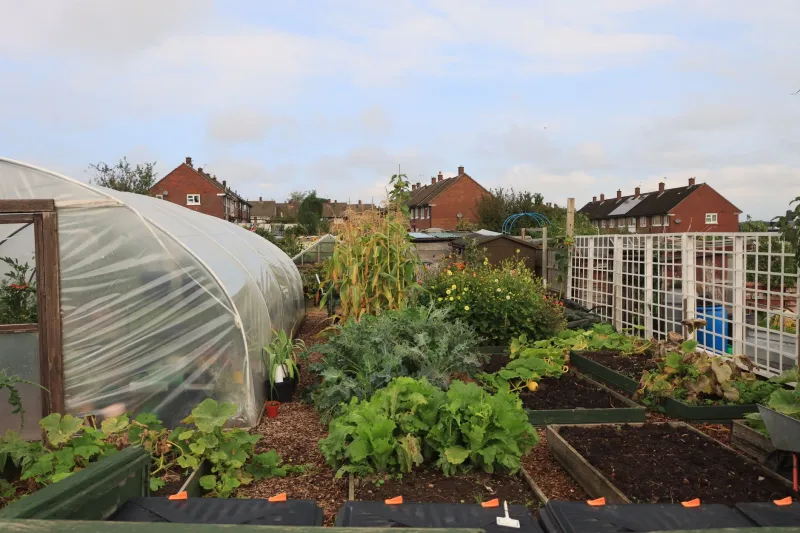
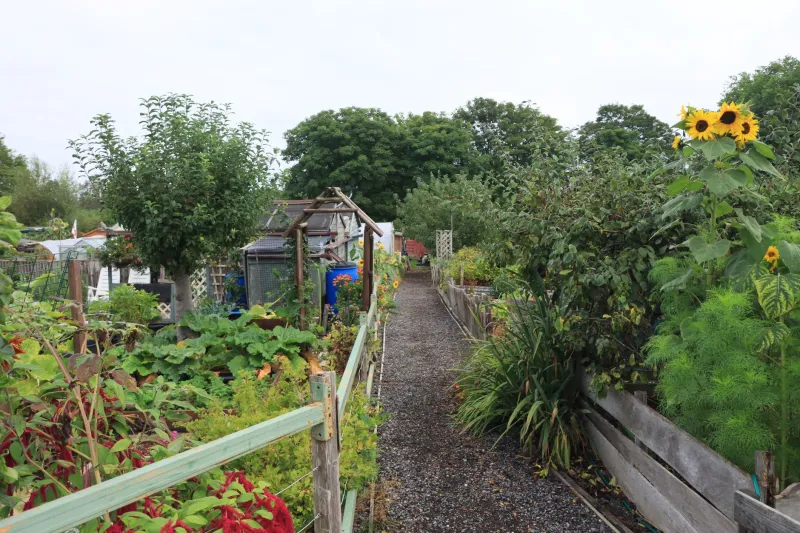
Then there are the hundreds of smaller swaps that do not make the news: allotment association huts, church halls, community gardens, school fetes and pub back rooms. Some are annual events. Some are a shoebox by the greenhouse with a note saying 'help yourself, leave some if you can'.
How to start a swap at your allotment or community garden
Start small. A swap does not need a committee, a constitution or a logo. It needs a date, a table and a few people willing to label their seed honestly.
- Pick a sensible moment. Late winter is traditional, when people are planning and packets are open, but autumn works too if you have just saved seed.
- Find a free venue. An allotment shed, community hall or garden room is ideal. Somewhere with a kettle is not optional.
- Invite growers, not just experts. Beginners are the point. Pair experienced savers with curious newcomers.
- Ask people to label seed with the variety, the year it was saved and any useful notes. 'Tall, late, good on clay' is more useful than 'beans'.
- Be clear about F1 hybrids. They can be swapped, but label them so nobody tries to save seed from them expecting a repeat performance.
- Keep it free. The moment money enters, the culture changes. A donation jar for hall hire is fine; a price list is not.
- Avoid diseased seed and invasive plants. Ask contributors to bring healthy seed from healthy plants, and say no to anything that could cause trouble in the wild.
- Make it a skill-share, not just a table. A ten-minute talk on seed saving is worth more than a hundred packets.
The quiet politics of a jar of beans
Food diversity is not a museum piece. It lives in gardens, allotments and kitchen windowsills, and it survives because people keep growing it. A seed swap is a small act of refusal: a refusal to let the food system be reduced to a short list of varieties chosen for shelf life and uniformity.
It is also a form of neighbourliness. You cannot swap seed without talking. You cannot save seed without paying attention. And you cannot build a local food culture without both. So next November, put out a jar of beans and see who turns up. The revolution may be small, labelled in biro and slightly damp.