Beaks at the Border: Turn Your Winter Feeders into a Pest Forecast
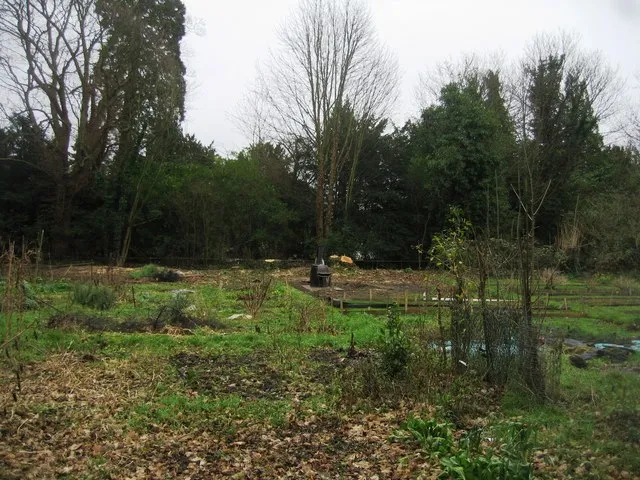
Photo: Sebastian Ballard, CC BY-SA 2.0, via Wikimedia Commons
By mid-November 2026, most of us have done the sensible winter jobs: cleared the slimy stuff, tucked up the beds, and started wondering why the seed catalogue is already calling. But there is another winter task that costs almost nothing and pays back in useful information: watching who turns up at the feeder.
Not in a vague, lovely-way-to-spend-a-Sunday way. In a write-it-down, map-it-against-the-beds, compare-it-with-your-neighbours way. Birds are not pest control staff on permanent contracts, and a feeder survey is not a crystal ball. But a short, consistent winter count can tell you something about the habitat your plot is already providing — and where the gaps are before the 2027 season gets going.
Why count birds on a growing site?
Because birds are one of the few bits of wildlife that will happily clock in while you are standing there with a mug of tea. They also sit at the crossroads of pest pressure and habitat quality. Blue tits and great tits hammer aphids and caterpillars in spring. Blackbirds and song thrushes work the soil for slugs, snails and leatherjackets. Wrens and dunnocks tell you whether your hedges and leaf litter have enough depth to be useful. Finches and seed-eaters show where seed heads are still standing rather than being tidied into oblivion.
None of that means 'more blue tits equals no aphids'. Ecology is messier than that. But if you record birds in the same way, in the same places, over the same weeks, you start to see patterns. Maybe the bed beside the overgrown hedge gets more tit attention than the bare one by the gate. Maybe the path where you find most slugs in March is also the path with the fewest thrushes in January. That is worth knowing.
The cast list: what to write down
You do not need to identify every brown job in the brambles. Record what you can, note the rest as 'unidentified small bird', and keep going. These are the UK species and groups most worth logging on an allotment or community growing site:
- Tits: blue tit, great tit, coal tit and long-tailed tit. Useful to record separately where possible, because they forage differently. Blue tits are the classic aphid-and-caterpillar hunters.
- Robin, dunnock and wren: often low down, in hedges, compost edges and leaf litter. Good indicators of shelter and dense cover.
- Blackbird, song thrush, redwing and fieldfare: the soil-and-berry crew. Blackbirds and thrushes are your slug-and-snail watchers. Redwings and fieldfares are winter visitors, usually after berries.
- Finches: chaffinch, greenfinch, goldfinch and siskin. Seed heads, feeders and hedgerow berries all matter here.
- Pigeons and corvids: woodpigeon, jackdaw, magpie, carrion crow. Record them honestly. Woodpigeons are not pest-control allies when they are shredding your brassicas.
- Sparrowhawk: a sudden dash and a puff of feathers. Record it. A sparrowhawk is not a sign that your feeder has failed; it is a sign that something is eating the birds that eat your pests.
Also write down behaviour, not just species. 'Feeding on fat balls', 'foraging in leaf litter', 'perched in hedge', 'chasing', 'alarm calling' and 'on the ground by the compost' all add meaning.
The method: twenty minutes, same route, same week
This is a citizen-science method in the loose, practical sense: repeatable, simple and honest about its limits. It is not a peer-reviewed population survey. It is a plot-level pattern-finder.
- Pick three to five fixed viewpoints. A bench, the gate, the corner of the polytunnel, the path by the hedge. Mark them on a rough map.
- Choose one day and time each week. Saturday morning is fine. So is Wednesday lunchtime. Consistency matters more than perfection. If you miss a week, note it and carry on.
- Count for twenty minutes per viewpoint. Same length every time. Do not wander about looking for birds. Stand or sit still and record what is using the area in front of you.
- Use maximum simultaneous count. If three blue tits arrive, then two leave and four arrive, write three — not seven. This avoids double-counting the same birds.
- Record zero. A blank list is data. If no birds use the bare bed by the shed, that is a finding, not a failure.
- Note the weather and temperature. Cold snaps, rain and wind change feeder use. A quick note is enough: 'dry, 4C, light breeze'.
- Map it. On your plot map, mark where each sighting was: feeder, hedge, leaf pile, compost bay, brassica bed, path. A highlighter and a scrappy photocopy are fine.
Keep feeders clean while you do this. Wash them regularly, rotate feeding stations, and do not let old food turn into a disease risk. A bird survey is not an excuse to run a filthy buffet.
Your printable recording sheet
Copy this into a notebook or print it out. One sheet per visit is easiest.
| Date | Start time | Weather / temp | Viewpoint | Species | Count (max together) | Behaviour | Nearest bed, hedge or feature | Notes |
|---|---|---|---|---|---|---|---|---|
At the bottom, add three lines: 'Species not identified', 'Unusual behaviour', and 'Anything that changed since last week'. That last line is where the useful stuff often hides.
Reading the ledger: patterns worth looking for
After four or five weeks, you will have something more interesting than a list. You will have a rough picture of where birds are choosing to spend time.
Lots of tit activity near a hedge, little near open beds. This might suggest the hedge is providing cover and a winter food base. It does not prove aphids will be low next year, but it is a reason to value that hedge rather than flail it to within an inch of its life. It might also flag where to put a nest box or two.
Thrushes and blackbirds working damp paths and leaf litter. Good. That is slug-and-snail territory in the making. If your plot is a slug stronghold but you never see a thrush or blackbird on the ground, think about whether there is anywhere for them to forage safely: leaf piles, mulch, hedgerow bases, undisturbed damp corners.
Wrens and dunnocks absent. These birds like dense, low cover. If they are missing from a site with tidy fences and short grass, that is a shelter signal. A native hedge, a brash pile or a scruffy strip of long grass will do more for them than another hanging feeder.
Finches on seed heads but not feeders. Goldfinches and greenfinches may be using teasel, sunflower heads and hedgerow berries. Leaving seed heads standing through winter is not untidiness; it is habitat.
Woodpigeons and jackdaws dominating. Record it. These are the birds most likely to be eating your crops rather than your pests. If they are hammering a particular bed, that is useful intelligence for netting and crop placement in 2027.
A sparrowhawk visit. Do not panic. It means your feeder is part of a working food web. Note it, enjoy it, and resist the urge to tidy everything into safety.
Share it across the street or site
A single plot survey is interesting. A street or site survey is genuinely useful. Agree a simple shared spreadsheet or a paper sheet in the communal shed. Use the same viewpoints where you can, and compare notes at a winter meeting or seed swap.
Keep it low-admin. A WhatsApp group with a weekly photo of the sheet is enough. Put a summary on the site noticeboard in February: 'Most recorded bird: blue tit. Most surprising: redwing on the hawthorn. Least recorded: wren — maybe we need more low cover.' Then ask what people want to do about it.
For a wider dataset, submit your records to BirdTrack, run by the British Trust for Ornithology, and take part in the RSPB Big Garden Birdwatch in January if it fits. Local records centres and county bird clubs also welcome sightings. You do not have to become a proper surveyor. You just have to write it down and pass it on.
A short caveat before you start
This is a pattern-finding exercise, not a pest-control formula. Small samples are small. A cold week changes everything. Birds move. Your neighbour's feeder may be better than yours. Use the survey alongside what you already know: where the slugs congregate, which beds get aphid-heavy, where the wind rips through. The birds are one voice in the conversation, not the whole committee.
But they are a good voice. And a winter feeder, watched properly, is a cheap way to learn what your plot is already doing — and what it might need before the 2027 growing season begins.