Before the Kettle Boils: Why the Best Hour on Your Plot Is First Light
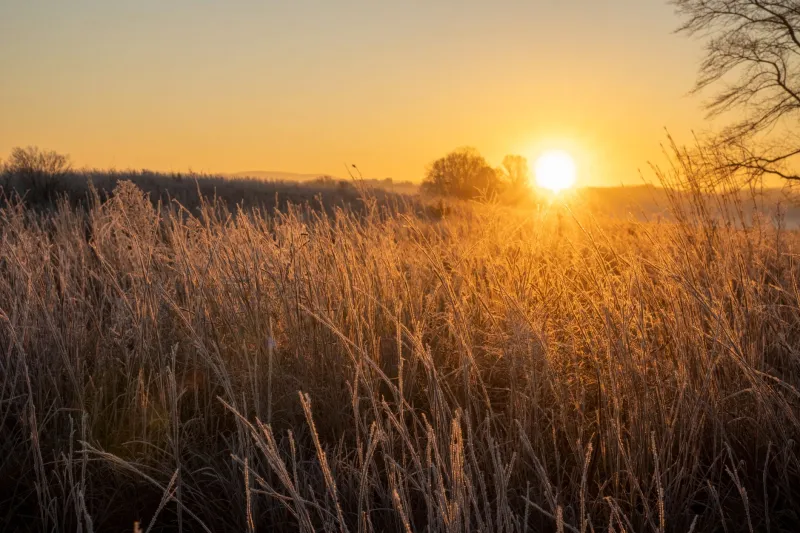
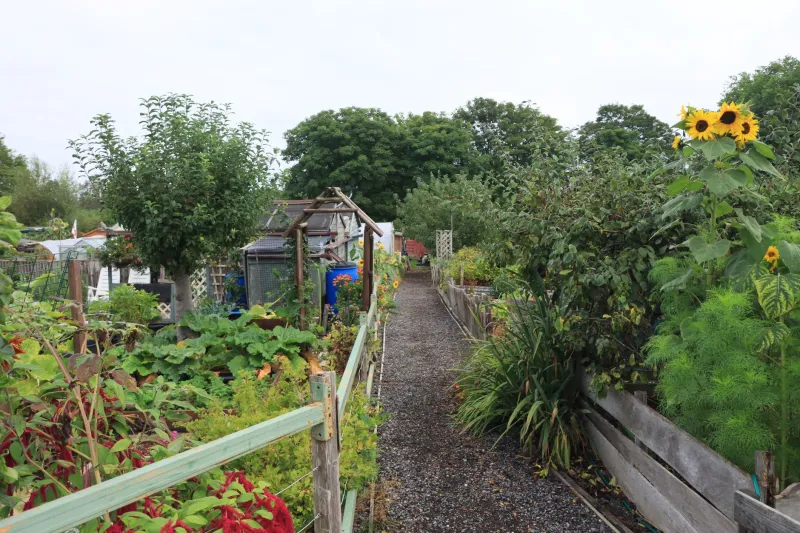
There is a particular sort of quiet on an allotment before the world properly wakes up. No strimmers, no radio, no one asking whether you have seen their missing trowel. Just the shed creaking, a blackbird making its first complaint, and the plot laid out in front of you like a problem you have not yet tried to solve.
I am not going to pretend that getting up early is always joyful. In November, first light in the UK arrives nearer seven than six, and the temptation to stay under the duvet is real. But the first hour of the day is not really about the clock. It is about the light, the stillness and the fact that you notice things before you start doing things. That is the real garden tool.
The plot tells you different stories at dawn
By mid-morning, a plot is a list of jobs. At dawn, it is a set of clues. You see where the frost has settled in a low corner and where it has not. You notice that the bottom of the brassica bed is holding water while the top is draining freely. You hear where the birds are congregating, which usually means something edible is happening there. You spot the slug trails across the path before the slugs have tucked themselves away.
This is not about being mystical. It is just observation without distraction. Most of us garden by intervention: we arrive with a plan, we weed, we sow, we cut, we leave. The early visit flips that. You walk the plot first. You look. You make a mental note. Then you decide what to do. It is a small change in order, but it changes the quality of the decisions.
Frost pockets, pest activity and the pollinators you nearly miss
Frost pockets are one of the best reasons to get out early in late autumn and winter. Cold air drains downhill, so the lowest part of a plot can be several degrees colder than the raised beds near the shed. If you only ever visit at lunchtime, you may never see the damage until it has already happened. A dawn walk shows you where fleece is needed, where a cloche would earn its keep, and which tender plants are living in a cold sump.
Pests are more legible at first light too. Slugs are still returning from their night shift. Pigeons are sizing up your winter greens. Mice are using the same little runs under the netting. You do not have to declare war on any of them. But you can see the pressure points and respond sensibly: a net pegged down properly, a beer trap, a bit of copper tape, or simply a decision to plant something tougher in the weakest spot.
And then there are the pollinators. In summer, the plot can be buzzing by nine, but the early hours are when many bees and hoverflies are still warming up on flowers and hedges. If you are out before the heat, you catch a different shift. You see which flowers are open, where the insects are sheltering, and how much life your plot is holding before the day gets loud. A patch of ivy in flower on a mild November morning can be busier than you would ever guess from a midday glance.
The morning check, adapted to the season
A useful morning routine is not a long one. Fifteen minutes of looking before an hour of doing is plenty. The checklist shifts with the seasons, but the principle stays the same.
- Check the forecast and the actual sunrise time. In June you might be out at half four; in December, first light is a slow business. Work with the light, not an aspirational alarm.
- Walk the boundaries before you touch anything. Look for blown netting, loose gates, rabbit damage and water where it should not be.
- Visit the lowest, coldest corner first. That is where frost, drainage and slug pressure will show up earliest.
- Look at leaves, not just crops. Curling, nibbling, discolouration and damp patches are easier to spot when the light is low and sideways.
- Listen. Birdsong tells you where the activity is. A sudden quiet can tell you something else.
- Check water butts, gutters and paths. A five-minute fix at dawn often saves a muddy mess by lunchtime.
- Harvest before the day heats up. Salad, herbs and soft fruit hold better if they are picked cool.
- Do one quiet job, not five. Early mornings reward restraint. Fill a raised bed, stake a plant, sow a row, then stop.
A quieter relationship with the land
There is a practical case for early gardening, but there is a social one too. The allotment at dawn is not a performance. There is no one to impress with your tidy edges or your impressive leeks. You are just a person in a coat, standing on cold ground, trying to pay attention.
That attention builds over time. You learn which corner drains last, which bed warms first, where the wind funnels between sheds, and which neighbours are also early risers. You start to garden with the site rather than against it. In a wet UK winter, that might mean raising a bed instead of fighting the puddle. In a dry spring, it might mean mulching earlier because you have seen the soil surface going pale.
So yes, set the alarm if you can. Take a flask. Wear the extra layer. But do not make it another job to fail at. The first hour is a tool, not a test. Even one early visit a week will change what you notice. And once you have seen your plot at first light, it is hard to unsee it.