Hedgerow Gold and Clamped Carrots: A Practical Guide to November's Larder
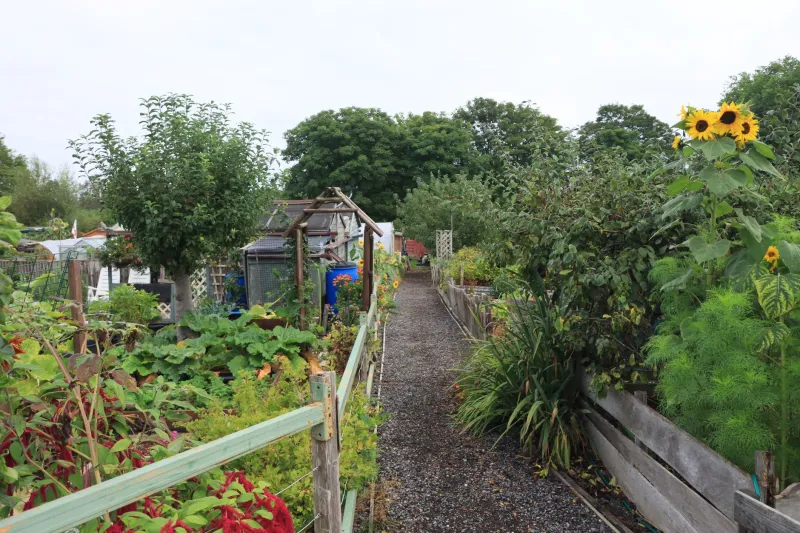
There is a moment in early November when the UK growing year seems to fold in on itself. The clocks have gone back, the light is low and blue, and the allotment looks less like a productive plot and more like a muddy social club for robins. But look closer. The hedge is still holding fruit, the chard is still standing, and the Jerusalem artichokes are waiting underground like a poorly kept secret. The late-autumn larder is not empty. It is just asking you to pay attention.
This is the point in the permaculture calendar where harvesting and storing become an act of soil care, not just cupboard filling. Every jar of rosehip syrup and every clamped carrot is energy caught and held. Get it right and you are not only feeding yourself through the dark months — you are closing a loop that starts in the hedge and ends in the compost heap.
Read the hedge before you pick
Foraging in November is less romantic than the spring guides suggest. There is mud, there are wet leaves, and there is a strong chance you will spend twenty minutes staring at a shrub wondering whether it is blackthorn or something that will ruin your weekend. That uncertainty is useful. It should slow you down.
The first rule is simple: if you cannot identify a plant with total confidence, leave it. The second rule is nearly as important: pick only where you have permission, and only from abundant stands. Busy road verges collect more than autumn sunlight. Nature reserves, protected sites and other people's land are not free shops. Take a little, leave plenty, and never strip a hedge because you have found a good patch.
Some UK hedgerow plants are genuinely dangerous. Yew has red arils and dark needles and is toxic. Hemlock is an umbellifer with purple blotches and a smell some people describe as mousey; it is deadly. Deadly nightshade has black berries and is not the sort of thing to test on a whim. Foxglove leaves can be mistaken for other greens. Avoid any umbellifer unless you really know what you are doing. This is not a list to scare you off foraging. It is a list to make you a better forager, because confidence without care is just a fancy word for risk.
Sloes, rosehips and the rules of the hedge
Sloes are the headline act. Blackthorn hedges are still carrying those dusty blue-black fruits in November, and they are best after a cold snap — or after a spell in the freezer if the weather has not obliged. They are far too astringent to eat raw, but steeped in gin they make a winter drink that tastes like a hedge got dressed up for a party. Prick the skins, cover with gin, add sugar to taste, and leave somewhere cool for a couple of months. Shake occasionally. Try not to drink it all in December.
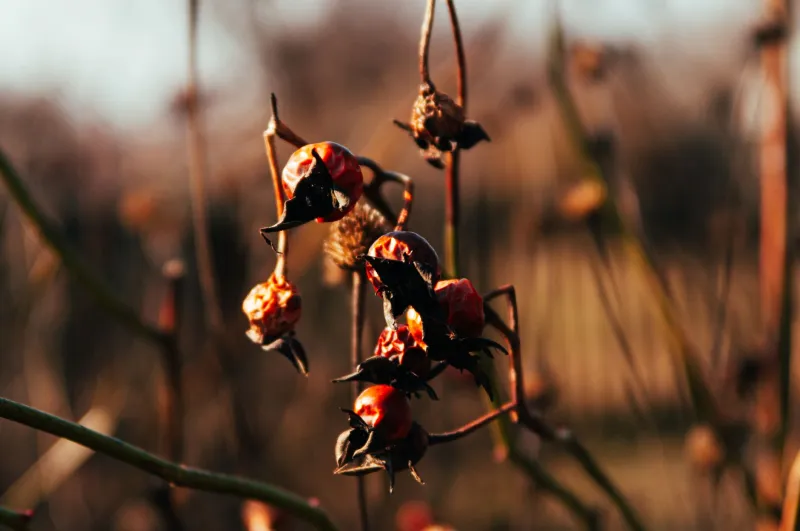
Rosehips are the other reliable late-autumn crop. They are rich in vitamin C and make a sharp, bright syrup that is lovely in tea or over porridge. The trick is to avoid the irritating hairs inside. Roughly chop the hips, simmer gently, strain through muslin, and resist the urge to squeeze the pulp too hard. Patience gives you a clearer syrup. Crab apples, hazelnuts and the last of the rowan berries may also be around, depending on where you are, but always check local advice and never pick rare species. A good hedgerow is a shared resource, not a private harvest.
The allotment's last stand: chard and artichokes
Back on the plot, the picture is just as interesting. Rainbow chard is one of the great November survivors. It shrugs off cold and keeps producing leaves until the weather really turns. Pick the outer leaves and leave the crown to keep going. A cloche or a bit of fleece can stretch the harvest further, but even without it, chard will often outlast your enthusiasm for it.
Jerusalem artichokes are the opposite: you dig them when you need them. They store best in the ground, which is convenient if the ground is not frozen solid. Lift a few tubers at a time, scrub them, and roast them with oil and salt. They have a nutty sweetness and a well-known side effect that we can politely call digestive. Leave a few small tubers behind and you will have a crop next year whether you planned for it or not.
Low-energy preserving: dry, ferment, clamp
Preserving does not have to mean a pressure canner and a second mortgage for electricity. Some of the oldest methods are also the most sensible.
Drying is the quiet hero. A warm airing cupboard, a clean tea towel and a little patience will dry herbs, apple rings and mushroom slices. If you already own a dehydrator, use it on a low setting; if you do not, do not rush out to buy one. This is about using what you have.
Fermenting is another low-energy route. Late cabbage makes excellent sauerkraut. Shred it, weigh it, add about two per cent salt by weight, massage until it releases water, and pack it tightly into a clean jar so the liquid covers the veg. Keep it submerged, burp the jar, and let it sour somewhere cool. It is not complicated, but it does demand cleanliness and a bit of attention. The reward is a live, crunchy preserve that keeps for months.
Root clamping is the permaculture classic: catch and store energy, produce no waste, and make the most of what you already have. Carrots, beetroot and potatoes can be layered in sand, coir or dry-ish compost in a cool shed or garage. Do not wash them before storing. Twist off the leaves, let them dry for a few hours, and check them every couple of weeks for rot. One bad root can take down a whole box, so inspection is part of the job. Apples are better stored separately, wrapped in newspaper or laid out on slatted shelves, because they give off ethylene that speeds up other crops.
Close the loop before the frost
The real permaculture question is not just what you store. It is what you return. November is a good month to chop-and-drop spent plants, mulch with leaves, and start a leaf mould pile that will be black gold in a year or two. Chard stems, brassica leaves and hedge trimmings can go into compost rather than the council bin. The soil is the larder's bank account. If you keep withdrawing and never deposit, the whole system gets poorer.
So yes, make the sloe gin. Dry the herbs. Clamp the carrots. But leave the plot a little tidier and the soil a little richer than you found it. A November larder is not just shelves of jars and boxes of roots. It is a promise to next year, made in mud and cold fingers, that the harvest will keep going because you helped it to.