The Fallen Mulch: How to Build a Street-Leaf Soil Bank This November
Photo: David Morris, CC BY 2.0, via Wikimedia Commons
Every November, the UK's streets perform a small, messy miracle. Oaks, planes, limes and sycamores drop tonnes of leaves onto pavements, verges and car parks. Councils sweep them up, often composting or disposing of them. Meanwhile, allotment holders buy plastic bags of leaf mould and wonder where their soil structure went. The gap between those two facts is not a legal grey area so much as a design problem. With permission, a bit of organisation and a wire cage, a street can become a shared soil bank.
Start with the council, not the rake
Scavenging leaves from a public highway without asking is not a great look for a community project, even if the material is destined for a skip. Contact your council's greenspace or street-cleansing team. Explain that you are a constituted group or allotment association, that you want to intercept leaves before collection, and that you will use a designated spot. Ask for a collection window, a named contact and any restrictions.
Not every pile is fair game. Avoid nature reserves, Sites of Special Scientific Interest, private car parks and roads where stopping is unsafe. If your council uses mechanical sweepers, ask where the sweepings go and whether they are mixed with grit, litter and road runoff. A clean pile raked from a park path is very different from the brown slurry at the bottom of a gully. Get the distinction in writing. Your allotment association's public liability insurance may cover volunteer work on site, but check before you start. A short risk assessment, gloves and a no-lone-working rule on busy roads will make the conversation easier.
Map the leaf crop before you build
Leaf mould is not one product. Different leaves break down at different speeds and suit different jobs. Oak, beech and hornbeam are tough and slow, making a coarse, durable mulch that is brilliant for woodland paths and around acid-loving plants. Sycamore, ash and lime break down faster into a finer crumb for general beds. Horse chestnut leaves are large and leathery, so shred or mix them. Conifer needles are acidic and slow; keep them in a separate cage and use them around blueberries or heathers. Evergreen leaves such as laurel and holly are best left out unless shredded and mixed sparingly.
Match the leaf to the use, and you avoid the classic mistake of spreading a half-rotted, chunky mulch over delicate seedlings. Tar spot on sycamore looks alarming but is cosmetic; it is not a reason to leave the leaves. The real red flags are contamination and litter.
Build a cage that breathes
A simple wire cage is enough. Aim for at least one cubic metre, ideally two, so the pile holds moisture and heats slightly without going anaerobic. Use galvanised weld mesh with a reasonably small aperture, wooden pallets for corners, and cable ties or fencing wire to hold it together. Leave the top open to rain and air, or add a mesh lid to stop litter blowing in. Site it in light shade, on soil or gravel rather than concrete, and leave space around it for a wheelbarrow.
Fill in layers, treading lightly every so often to remove big air pockets. Keep the pile damp but not soggy. In a wet UK winter, that usually means leaving it alone; in a dry spell, a watering can helps. Do not add grass clippings, food waste or thick layers of soil. Leaf mould is a slow, fungal process, not a hot compost heap. Turn it after a year if you want, but patience is the main tool.
The fungal engine under the leaves
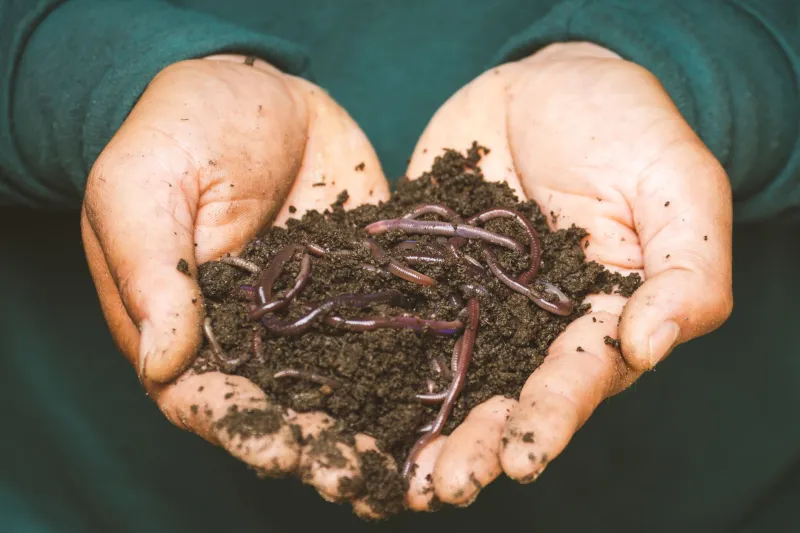
Leaf mould is made mostly by fungi, not the heat-loving bacteria of a compost bin. Fungi break down lignin and cellulose, the tough structural stuff in leaves, through thread-like hyphae. The process is cool and slow, often taking one to two years. What you end up with is humus: a low-nutrient, crumbly material that improves soil structure, holds water and supports microbial life. It is not a fertiliser, and that is its strength. Use it as a mulch, a seed-sowing mix component or a top dressing for perennials.
White blooms and fuzzy patches are normal. They are the visible edge of the fungal network doing its job. If the pile smells sour or turns slimy, it is too wet and compacted; fork it over and add coarse material. If it dries out completely, water it and turn it. Small and slow really does win here.
Check for contamination, every time
Street leaves can carry more than autumn colour. Busy road verges collect tyre and brake dust, oil, cigarette butts, glass and dog fouling. Mechanical street sweepings often include grit and microplastics. Use gloves, rake from clean park paths where possible, and keep a separate batch for anything doubtful. Do not spread uncertain leaf mould on root vegetables or salad beds; use it around ornamental shrubs, paths or fruit trees instead. If the council pile contains sweepings, ask what else goes into the hopper. A five-minute conversation is cheaper than a contaminated soil bank.
Divide the work, not just the spoils
A cooperative lives or dies on fair labour. Set up a simple rota: raking, bagging, barrowing, cage-building, signage and turning. Not everyone can haul a tarp, so offer lighter jobs such as litter-picking, record-keeping or making tea. Keep a shared ledger of hours or bags contributed. At the end of the season, split the finished leaf mould proportionally, with a small reserve for the community orchard or a neighbouring school garden. A spring mulch exchange, where people bring surplus plants or seeds as well as sacks, turns a chore into a social event.
Write down the agreement. Who is the council contact? Where is the cage? Who holds the key? What happens if the pile is contaminated? A one-page document prevents a lot of quiet resentment. Permaculture's 'fair share' principle is not just about yields; it is about sharing the boring bits, too.
Keep the organic matter on the plots
The point of all this is not to build a tiny municipal service. It is to keep a local resource local. Leaves that would have been carted away become soil structure, water retention and fungal habitat on your plots. The council saves a little collection volume. The neighbourhood gets a shared material that costs nothing but time. And the street's autumn mess becomes next year's mulch.
Start small: one cage, one clean source, one written permission. Then rake, share and rot it down. The sweepers can have what is left.