From Caddy to Community: How to Build a Shared Compost Scheme That Actually Lasts
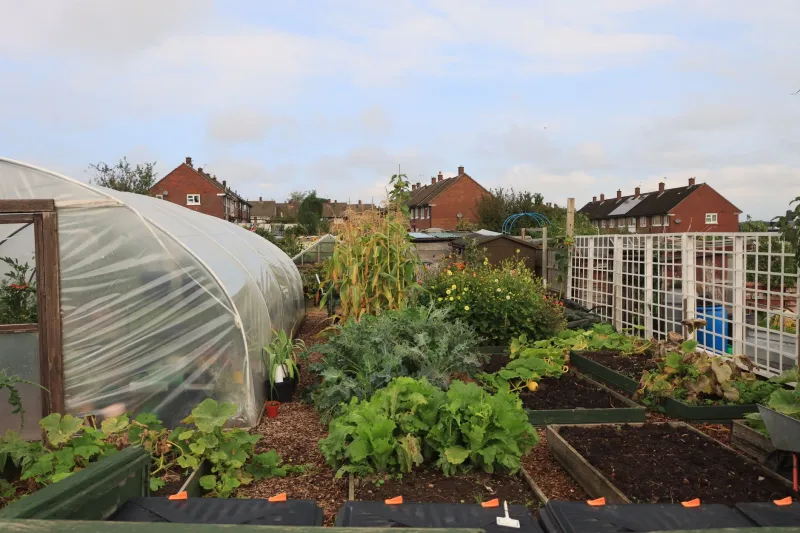
Every allotment site has a corner where someone has dumped a pile of stalks and meant it kindly. Every site also has a better version of that corner: a proper shared compost scheme with lids, signs, a rota and a small army of neighbours who know where to put the teabags. The difference between the two is not money. It is organisation, a bit of diplomacy and a willingness to talk about rotas without pretending it is the most exciting part of growing food.
A neighbourhood composting scheme is one of the most useful things a community can build. It turns waste into soil, saves trips to the tip, and gives people a reason to talk to each other beyond the annual plot inspection. But if you get the setup wrong, you end up with a smelly heap, a rat complaint and three volunteers who never speak again. So start carefully.
Begin with a question, not a bin
Before you order a single pallet, ask what problem you are solving. Is this for allotment green waste only, or will you accept kitchen scraps from nearby households? Will it serve ten plots or fifty flats? Who will physically turn it in February? Who unlocks the gate? The answers shape everything else.
A useful first step is a small public meeting, ideally with tea and a bit of cake. Invite plot holders, the site committee, a couple of neighbours and someone from the local council's recycling team if they will come. Be honest about the work. Shared composting is not a magic box. It is a small waste-handling service run by volunteers, and it needs a minimum level of commitment.
Site selection: the boring details that decide everything
A compost scheme needs a site that is practical, not just picturesque. Look for level ground with decent access for wheelbarrows and, ideally, a vehicle for deliveries of woodchip or browns. Avoid the lowest corner of the site, where it will sit in water all winter. Avoid direct proximity to houses and boundaries, especially if you are accepting kitchen waste. Keep away from watercourses and ditches. Check the site lease and allotment rules before you build anything permanent.
Think about sun and shade too. In the UK, a heap in full shade can stay cold and wet; a heap in full sun can dry out. A spot with some morning sun and some shelter from wind is usually a decent compromise. Make sure there is space to store browns, because a compost scheme without a carbon supply is just a pile of sloppy greens waiting to go wrong.
Bin design: simple, robust and rodent-aware
For allotment green waste, a three-bay pallet system is hard to beat. One bay for fresh material, one for turning, one for finishing. It is cheap, easy to repair and understandable to newcomers. Line the bays with sturdy mesh, especially at the base, and keep the pallets close together. Add a lid or a tarpaulin so you can control moisture.
If you are accepting kitchen waste, be more careful. Open heaps and cooked food are a poor combination in a residential area. Use sealed, rodent-proof containers with weighted lids. Many schemes ask households to pre-treat food scraps with bokashi, or they use a hot-composting system that is properly managed and monitored. Do not accept meat, dairy, cooked food or cat litter unless you have a system designed for it and the permissions to match. Keep a clearly labelled bin for browns: woodchip, shredded cardboard, dry leaves, straw. The ratio matters more than the slogan.
The rota is the scheme
A compost scheme lives or dies on its rota. Someone has to turn the heap, check moisture, look for contamination and record what is happening. A monthly rota with two people per shift works better than a vague promise that everyone will help. Pair an experienced volunteer with a newer one. Put the rota on a WhatsApp group or a laminated sheet inside the shed, and make it easy to swap.
Give the scheme a named compost captain, or a small team of captains, so there is someone to call when a bin is overflowing or a bag of the wrong stuff appears. Keep a simple logbook: date, temperature if you are monitoring, action taken, anything odd. This is not bureaucracy for its own sake. It helps you learn and it shows funders and the council that you are running something properly.
UK rules: check before you advertise
Composting rules in the UK depend on where the waste comes from, how much you handle and where you are. A scheme taking only allotment green waste is a different proposition from one collecting kitchen scraps from the wider neighbourhood. In England, check the Environment Agency's waste exemption register and ask about small-scale composting exemptions such as T23. Talk to your local council's recycling or waste team early. Wales, Scotland and Northern Ireland have their own arrangements, so do not assume an English answer applies.
If you charge for collection, accept commercial waste or bring in catering waste, the rules tighten. Do not rely on a forum post from 2019. Ask the regulator. It is much easier to design a scheme around the rules than to retrofit one after a complaint.
The social glue is the point
A shared compost scheme is a practical system, but it is also a small social experiment. You will learn who is reliable, who is enthusiastic, who will quietly do the unglamorous jobs and who will put a whole roast chicken in the green bin if you let them. You will also learn that compost mornings are a good excuse for tea, seed swaps and conversations that have nothing to do with compost at all.
So build in the social side. Hold a monthly work morning. Put up a sign with the scheme's name and a phone number. Celebrate the first batch of finished compost with a small gathering, even if it is just a few people and a flask. Give the compost away to volunteers and plot holders, and use it on a shared bed so people can see the loop close.
Start small. One bay, ten households, a clear rota and a honest set of rules is better than a grand plan that collapses by March. A neighbourhood compost scheme is not just about making soil. It is about making the kind of place where people know each other well enough to sort out the heap together.