Your Street Is Donating Soil This Month — Here's How to Accept It
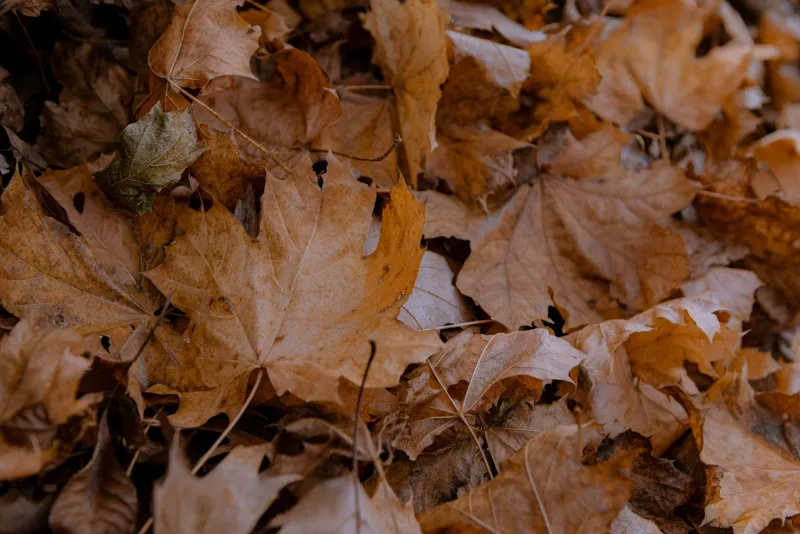
There is a particular sound to early November: the scrape of a rake, the rustle of a black bag, the sigh of a council truck idling at the end of the road. By the time Bonfire Night is behind us, most UK streets have shed their leaves and the great annual sweep-up begins. And most of that leaf fall gets treated as waste — bagged, carted, composted industrially or simply left to clog a drain.
Which is a shame, because those leaves are one of the quietest soil-building resources available to anyone with a patch of ground. Leaf mould is not compost in the usual sense. It is a fungal slow dance, a cold decomposition that turns a pile of dead leaves into a crumbly, dark material that improves structure, holds moisture and feeds the soil food web. It is also, in its modest way, a form of community-scale carbon capture: carbon that would otherwise be burned or buried becomes stable organic matter in your beds.
Leaves are not rubbish
A leaf is a solar panel that has done its job. It has captured sunlight, pulled carbon from the air and built the tree that dropped it. When it falls, it is still full of carbon, lignin and trace minerals. Left on a pavement, it is a slip hazard. Left in a wire bin behind a shed, it becomes next year's soil conditioner.
The numbers are not glamorous, but they add up. A mature street tree can drop tens of thousands of leaves in a season. A single household might easily collect a dozen builder's bags' worth from the pavement outside. Multiply that across a street, a block, a ward, and you have a small, distributed carbon and nutrient loop that costs almost nothing to run. No feedstock to buy, no lorry to book, no plastic bottle of liquid feed. Just leaves, air, moisture and time.
The sorting table: which leaves earn their keep
Not all leaves are equal. The fastest to break down are the soft ones: ash, lime, sycamore, field maple, fruit-tree leaves and most hedge trimmings. These can become usable leaf mould in twelve months or so, especially if you turn the pile.
Oak, beech, horse chestnut and walnut are slower — two years is more realistic. They are still worth collecting, particularly if you have space for a second bin and the patience to let them sit. London plane leaves are tough and leathery; they will rot, but slowly, and they are best used as a rough mulch or mixed with softer material. Evergreen leaves — laurel, holly, conifer needles — should mostly be left out of the leaf-mould bin. They are acidic, waxy and slow, and a thick layer will sit there for years. Use them sparingly as a path mulch instead.
There are two other things to avoid. First, street sweepings from busy roads: they can contain oil, tyre dust, salt and grit, so stick to residential pavements, park paths and quiet cul-de-sacs. Second, leaves from diseased trees — rose black spot, apple scab, pear rust — are better hot-composted or sent to the council, not stored cool in a leaf bin where the fungus can overwinter.
Build a bin behind the shed
The simplest leaf bin is a cube of chicken wire held up by four wooden stakes. Make it about a metre square, site it in shade, and leave the top open. Fill it with leaves, give them a water if they are bone dry, and tread them down occasionally. A lid or a sheet of old tarpaulin helps keep them damp but not sodden. That is it. No turning is strictly necessary, but a fork-through in spring speeds things up.
If you are short on space, use bags. Fill old compost bags or builder's bags with damp leaves, punch a few holes in the sides, tie the top and stash them behind the shed or beside the bin store. They will quietly rot down over a year or two. The bag method is slower and less aerobic, but it is brilliant for small gardens, allotment sheds and rented flats with a shared yard.
A word of warning: leaf mould is a fungal process, not a hot compost heap. Do not treat it like a quick turnaround. Pile it, dampen it, forget it. The fungi will do the rest.
The neighbourhood leaf drive
This is where it gets interesting. A single household can only use so much leaf mould. A street can use a lot. A neighbourhood leaf drive — a coordinated collection of fallen leaves from pavements, front gardens and park edges — can turn a nuisance into a shared resource and a decent excuse to talk to the neighbours.
The key is to work with the council, not around it. Ring or email the parks department or street-scene team and ask whether there is a designated drop-off point you can use, and whether they have a preference for dates. Some councils will happily support a community leaf collection; others will worry about fly-tipping, blocked pavements and bags left out in the rain. Be specific: tell them where the bags will be stored, when they will be moved, and who is responsible. Ask for permission to use a corner of a car park or a community centre yard. Do not leave bags on verges or pavements for weeks. And never take leaves from nature reserves, SSSIs or private gardens without a clear yes.
On the day, recruit a few neighbours, hand out gloves and litter pickers, and sort as you go. Dog waste, cans, crisp packets and sticks all need removing. Use reusable builder's bags rather than flimsy black bags if you can, and keep a separate pile for evergreen leaves and anything diseased. Leave a few leaves under hedges and around tree bases for invertebrates and birds — the aim is a harvest, not a scorched earth policy.
The waiting game
Leaf mould is not instant. One year gives you a rough mulch; two years gives you a crumbly, seed-sowing-grade material that is lovely for potting mixes and top-dressing beds. Use it as a mulch around perennials, spread it over vegetable beds in early spring, or mix it with homemade compost to stretch your supplies. It is low in nutrients compared with manure, but it is unbeatable for soil structure and water retention — two things UK growers need more of as summers swing between drought and downpour.
And there is the quieter point. Every bag of leaves you keep out of the waste stream is a small act of carbon management. The leaves would have decomposed somewhere anyway, but by turning them into leaf mould and putting them back on the soil, you are building organic matter where it can do some good. Do that across a street, a school, a housing estate, and the numbers start to matter.
So this week, take a walk with a bag. Ask the council what they do with the sweepings. Build a wire cube behind the shed. Knock on a neighbour's door and ask if they want their leaves collected. The street is donating soil. All you have to do is accept it.