Where the Winter Sun Actually Lands: A Weekend Light Audit for Your Plot
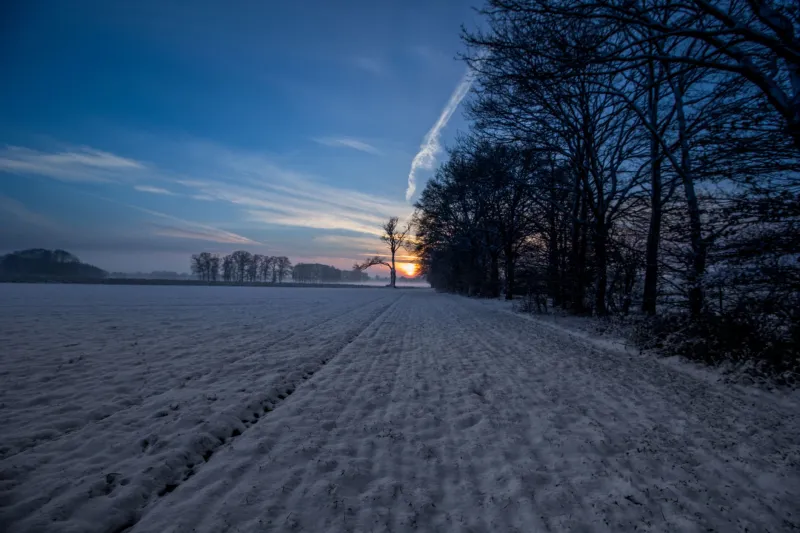
Most planting plans are drawn in summer optimism. The sun is high, the plot feels generous, and every corner looks like it could grow something. Then November arrives, the light drops, and you discover that the 'sunny spot' by the shed is actually in shade from mid-October to March. That is not a failure of your green thumb. It is a failure of timing.
A winter light audit is one of the cheapest, most useful design tools you can use on an allotment or garden. It does not need a consultant, a drone or a spreadsheet you will never open again. You need a clear weekend, a phone compass, a notebook and a bit of patience. The payoff is a map of where the low sun actually lands — and that map should sit underneath every decision about trees, beds, cloches and overwintering salads.
Why light mapping beats another rotation diagram
Crop rotation diagrams are useful, but they are generic. They tell you what to follow what; they do not tell you where the frost settles, which wall holds warmth, or which bit of the plot gets barely three hours of weak winter sun. Permaculture design is supposed to be site-specific. Light is one of the most site-specific things there is.
In a UK winter, light is the limiting factor. The sun sits low, days are short, and any hedge, fence or evergreen can throw a shadow much further than you expect. Mapping that shadow line before you plant a tree is far better than discovering in five years that your future apple tree has turned the vegetable bed into a shade tunnel. It also helps you spot the microclimates that already exist: the south-facing wall that stays a degree or two warmer, the low corner where cold air pools, the patch that dries out first in spring.
What you need — and what you really do not
Keep it simple. A phone compass is fine, even if it wobbles. A pencil and paper are better than a note-taking app because you will be sketching. A few canes, some string and stones help mark shadow edges. If you want to compare light levels, a cheap lux meter or a phone light-meter app can be useful, but treat the numbers as relative rather than gospel. You are looking for patterns, not laboratory data.
Pick a day with actual sun if you can. British weather being British weather, you may need to split the survey across two weekends. That is fine. The point is to repeat the same walk at the same times, not to capture one perfect Instagram morning.
Saturday: follow the shadow line
Start early-ish, around 9am, and walk the plot every hour until about 3pm. At each stop, note where the sun is coming from and where the shadow edge falls. Use a cane at key points — the proposed tree spot, the middle of the bed, the corner by the fence — and mark the tip of its shadow with a stone. Take a photo from the same spot each time so you can compare later.
Do not just look at the ground. Look up. Is that hedge deciduous or evergreen? Will the neighbour's conifer keep growing? Does the shed block morning light or afternoon light? A south-facing wall is not just a wall; it is a heat store, a windbreak and a place where hardy salads might survive a cold snap. A low dip in the ground is not just a dip; it may be a frost hollow where cold air collects and tender plants sulk.
A simple sketch template
Draw a rough rectangle for your plot, mark north, and fill in the rest as you go. You do not need scale. You need honesty.
PLOT: ______________________  DATE: ____________  WEATHER: ____________
NORTH: ↑

09:00  Sun from: ______  Shadow reaches: ______  Notes: ____________
10:00  Sun from: ______  Shadow reaches: ______  Notes: ____________
11:00  Sun from: ______  Shadow reaches: ______  Notes: ____________
12:00  Sun from: ______  Shadow reaches: ______  Notes: ____________
13:00  Sun from: ______  Shadow reaches: ______  Notes: ____________
14:00  Sun from: ______  Shadow reaches: ______  Notes: ____________
15:00  Sun from: ______  Shadow reaches: ______  Notes: ____________

KEY:  S = sunny   D = dappled   F = full shade   X = frost pocket
      W = warm wall   E = evergreen shade   ? = recheck at solstice
By the end of Saturday you should have a rough shadow map. It will look messy. Good. A clean map drawn from memory is less useful than a scruffy one drawn while your fingers are cold.
Sunday: read the light, then design
Sunday is for interpretation. Go back over your notes and mark the plot into rough zones: reliable winter sun, dappled light, deep shade and frost pockets. You are not trying to make a perfect permaculture zone map. You are trying to answer a few practical questions.
Where could overwintering salads actually thrive? Think land cress, winter purslane, lamb's lettuce and hardy lettuce under a cloche or fleece. They need light and shelter, not a boggy corner that never dries. Where would a cloche or small polytunnel earn its keep? Usually on the sunniest, most sheltered strip you have — not in the spot that is convenient because it is near the tap.
Where should a tree go? This is the big one. A tree is a long-term decision, and winter light is when you see its future shadow. Put it where its summer shade will be welcome — maybe over a seating area or a path — but not where it will cut winter light from the beds that need it most. Evergreen windbreaks are brilliant on a cold eastern edge; they are less brilliant directly south of your salad patch.
The midwinter recheck
Your November map is a starting point, not the final word. The sun keeps dropping until the winter solstice, so book a short recheck around 21 December 2026. You do not need a full day. An hour either side of midday will show you the deepest shadow line of the year.
Use this checklist:
- Return to the same viewpoints and take the same photos.
- Mark the midday shadow edge on your map — this is your 'solstice line'.
- Note any areas that get no direct sun at all in December.
- Check whether evergreen shade has grown since your first survey.
- Mark frost pockets after a cold night, if you can.
- Decide where fleece, cloches or a cold frame would make the biggest difference.
- Update your planting plan before the seed catalogues tempt you again.
Light is the first harvest
A winter light audit will not make your plot look tidier. It will not give you a neat row of numbers to put in a report. What it will do is stop you planting blind. It will show you the warm pocket behind the wall, the cold dip by the gate and the patch that is genuinely sunny in January. That is the kind of information a generic rotation diagram can never give you.
So before the next tree goes in, spend a weekend following the low sun. Take the photos, draw the scruffy map, mark the frost. Then plant with your eyes open.